The safest way to review a suspicious TikTok is to preserve the cleanest version, separate frame clues from motion clues, and verify the source chain before you trust the clip.

DetectVideo Blog
DetectVideo publishes technical explainers and operational guidance for people who have to make decisions under uncertainty: editors, moderators, researchers, investigators, and anyone trying to understand what AI-likelihood analysis can and cannot tell them about a video.
Recent articles
The safest way to review a suspicious YouTube Short is to preserve the cleanest version, separate frame clues from motion and speech-sync clues, and confirm the source story before you trust the clip.
The safest way to review a suspicious Instagram Reel is to slow down, preserve the cleanest version, inspect the frame and motion clues separately, and check the source story before you trust the clip.
A useful review looks for clusters of evidence, not one weird frame. The best signals show up across visuals, motion, sync, metadata, and provenance.
A defensible workflow preserves the file, separates review stages, records missing evidence, and defines when to escalate instead of guessing.
Detection is hard because the clips people care about most are often short, degraded, reposted, or missing evidence modules entirely.
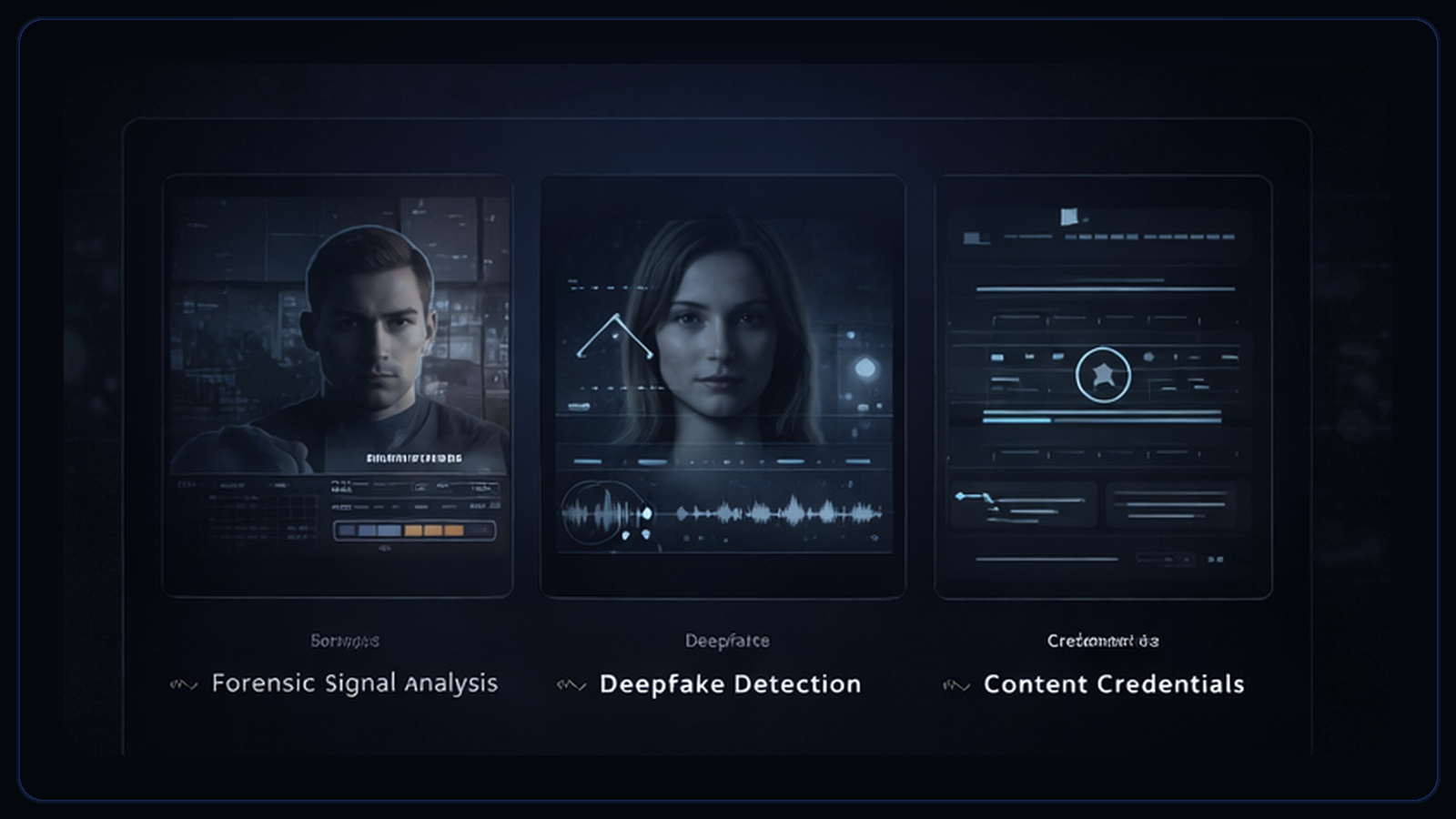
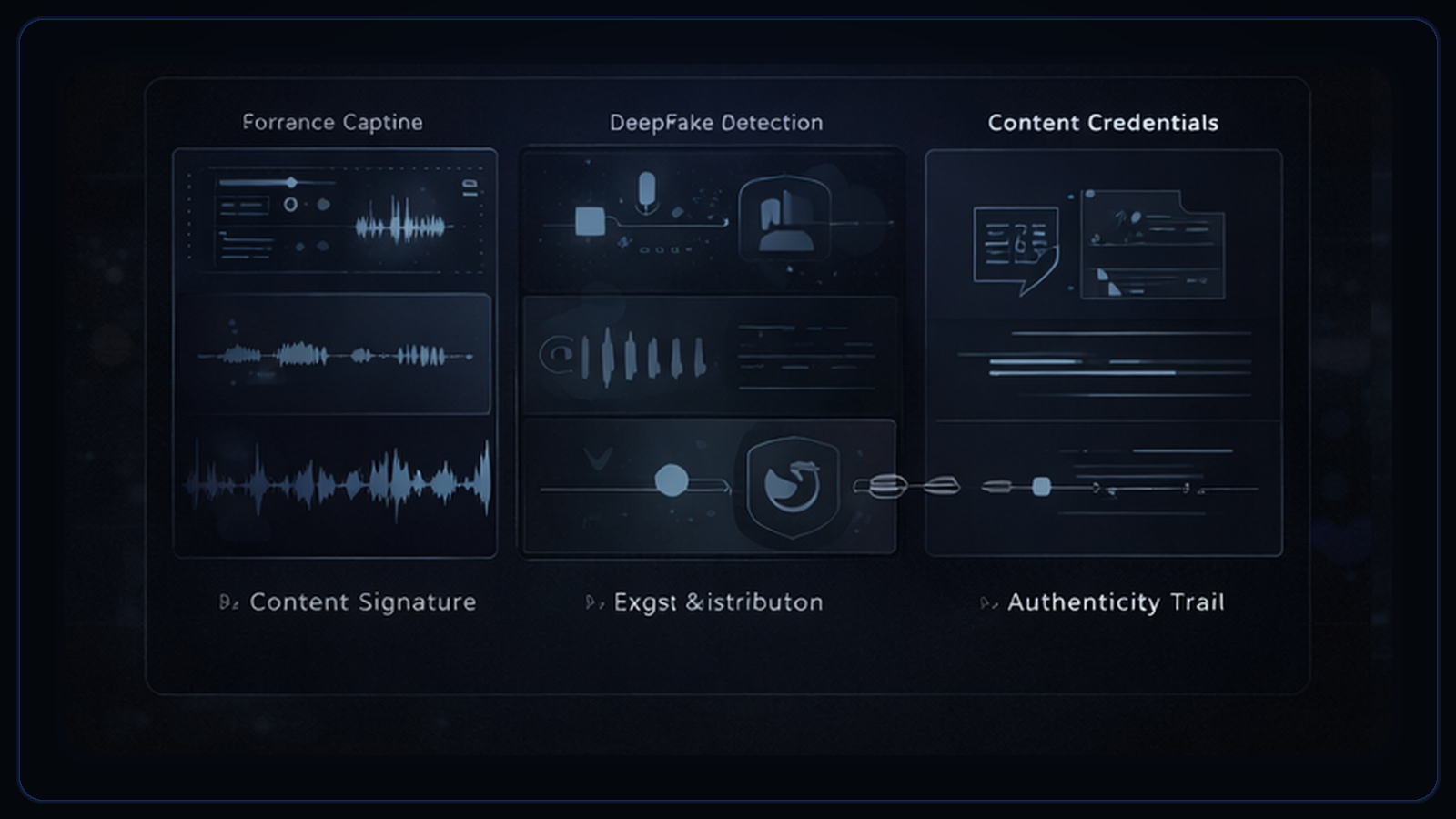
These terms are often used interchangeably, but they answer different questions. One inspects the media itself, one may focus on impersonation, and one carries provenance context.
Content credentials are provenance metadata, not magic labels. They can strengthen origin claims when present, but they do not replace forensic review.
Why this publication exists
DetectVideo’s blog is meant to reduce overclaiming, not increase it. These articles are written to help readers interpret AI-likelihood analysis responsibly and make better escalation decisions under real-world evidence constraints.
That means no fabricated benchmarks, no fake case studies, and no “one weird trick” framing. The standard is the same one we expect from the product itself: technical clarity, useful synthesis, and explicit limits.
Published by DetectVideo Editorial Team. Technical review by DetectVideo Methodology Review. DetectVideo’s blog uses the same editorial foundation as the product: multi-signal review, explicit limits, and no claims of absolute proof where the evidence does not support it.